Buy ggbet.eu ?
We are moving the project
ggbet.eu .
Are you interested in purchasing the domain
ggbet.eu ?
domain@kv-gmbh.de · 0541-91531010
Buy ggbet.eu ?
How old do fire jellyfish live?
Fire jellyfish, also known as the mauve stinger, have a relatively short lifespan, typically living for only about 6 months to a year. They are known for their bioluminescent glow and can be found in warm waters around the world. Despite their short lifespan, they play an important role in marine ecosystems as both predator and prey. **
Are jellyfish heartless and brainless?
Jellyfish do not have a heart or a brain in the same way that humans do. They have a simple nerve net that helps them sense their environment and respond to stimuli, but they do not have a centralized brain. While they may not have a traditional heart or brain, jellyfish are still fascinating creatures that have evolved unique ways to survive and thrive in their marine environments. **
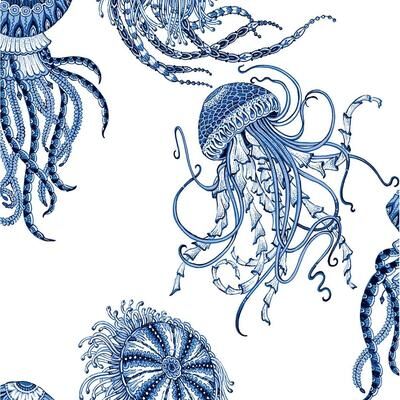

Similar search terms for NextWall-Jellyfish-Peel-and
Top-Angebote
Products related to NextWall-Jellyfish-Peel-and:



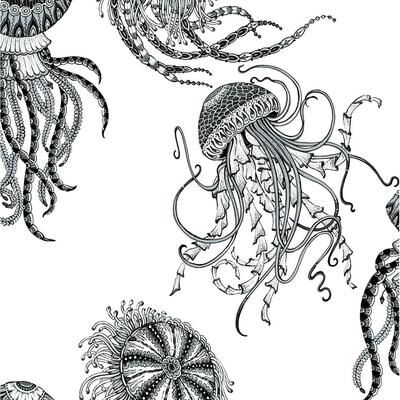
-
Are jellyfish heart and brainless?
Yes, jellyfish are heartless and brainless. They do not have a centralized nervous system or a true brain. Instead, they have a loose network of nerves called a nerve net, which allows them to sense their environment and respond to stimuli. Additionally, jellyfish do not have a heart like most other animals. Instead, they have a simple, open circulatory system that allows water to flow through their bodies, distributing nutrients and oxygen. **
-
Which animals, including jellyfish, live in pores?
Jellyfish do not live in pores as they are marine animals that typically inhabit the open ocean. Animals that are known to live in pores include certain types of small crustaceans like copepods and amphipods. These tiny creatures can be found in the pores of coral reefs, sponges, and other marine structures where they seek shelter and food. They play important roles in the ecosystem by recycling nutrients and serving as food for larger organisms. **
-
What kind of jellyfish is the fried egg jellyfish?
The fried egg jellyfish, also known as Phacellophora camtschatica, is a species of jellyfish that is easily recognizable by its large, flat, disk-shaped bell that resembles a fried egg. It is typically found in the cold waters of the Pacific Ocean, particularly along the coasts of North America and Asia. Despite its striking appearance, the fried egg jellyfish is not considered to be a significant threat to humans as its sting is mild and not harmful. **
-
Which exotic jellyfish?
The box jellyfish is considered one of the most exotic jellyfish due to its extremely venomous sting and unique appearance. This jellyfish is known for its cube-shaped bell and long, trailing tentacles that can deliver a powerful and potentially deadly sting to humans. Found primarily in the waters of the Indo-Pacific region, the box jellyfish is a fascinating yet dangerous creature that requires caution and respect when encountered. **


How do lifespan and habitat influence jellyfish?
Lifespan and habitat play a significant role in influencing jellyfish populations. Different species of jellyfish have varying lifespans, with some living only a few months while others can live for several years. The habitat in which jellyfish reside also impacts their population dynamics, as certain environmental conditions such as temperature, salinity, and food availability can affect their growth and reproduction rates. Additionally, changes in habitat due to human activities, such as pollution and overfishing, can lead to an increase in jellyfish populations in some areas. **
How do fingers and toes peel?
Fingers and toes peel as a natural part of the skin's renewal process. The outer layer of the skin, known as the epidermis, constantly sheds dead skin cells to make way for new cells underneath. Factors such as dry skin, sunburn, or certain skin conditions can accelerate this process, causing the skin to peel. Peeling can also occur as a result of friction or pressure on the skin, such as from wearing ill-fitting shoes or gloves. **
Top-Angebote
Products related to NextWall-Jellyfish-Peel-and:
-
NextWall Pomegranate Peel and Stick WallpaperFlowered pomegranates flourish amongst blooming leaves and branches in this lively Pomegranate wallpaper pattern by NextWall. The vibrant, succulent colorways and playful design will bring a taste of summer, ripening any room its applied.49,99 $*Shipping: 0,00 $Secure redirect to the provider
-
How old do fire jellyfish live?
Fire jellyfish, also known as the mauve stinger, have a relatively short lifespan, typically living for only about 6 months to a year. They are known for their bioluminescent glow and can be found in warm waters around the world. Despite their short lifespan, they play an important role in marine ecosystems as both predator and prey. **
-
Are jellyfish heartless and brainless?
Jellyfish do not have a heart or a brain in the same way that humans do. They have a simple nerve net that helps them sense their environment and respond to stimuli, but they do not have a centralized brain. While they may not have a traditional heart or brain, jellyfish are still fascinating creatures that have evolved unique ways to survive and thrive in their marine environments. **
-
Are jellyfish heart and brainless?
Yes, jellyfish are heartless and brainless. They do not have a centralized nervous system or a true brain. Instead, they have a loose network of nerves called a nerve net, which allows them to sense their environment and respond to stimuli. Additionally, jellyfish do not have a heart like most other animals. Instead, they have a simple, open circulatory system that allows water to flow through their bodies, distributing nutrients and oxygen. **
-
Which animals, including jellyfish, live in pores?
Jellyfish do not live in pores as they are marine animals that typically inhabit the open ocean. Animals that are known to live in pores include certain types of small crustaceans like copepods and amphipods. These tiny creatures can be found in the pores of coral reefs, sponges, and other marine structures where they seek shelter and food. They play important roles in the ecosystem by recycling nutrients and serving as food for larger organisms. **
Similar search terms for NextWall-Jellyfish-Peel-and
-
What kind of jellyfish is the fried egg jellyfish?
The fried egg jellyfish, also known as Phacellophora camtschatica, is a species of jellyfish that is easily recognizable by its large, flat, disk-shaped bell that resembles a fried egg. It is typically found in the cold waters of the Pacific Ocean, particularly along the coasts of North America and Asia. Despite its striking appearance, the fried egg jellyfish is not considered to be a significant threat to humans as its sting is mild and not harmful. **
-
Which exotic jellyfish?
The box jellyfish is considered one of the most exotic jellyfish due to its extremely venomous sting and unique appearance. This jellyfish is known for its cube-shaped bell and long, trailing tentacles that can deliver a powerful and potentially deadly sting to humans. Found primarily in the waters of the Indo-Pacific region, the box jellyfish is a fascinating yet dangerous creature that requires caution and respect when encountered. **
-
How do lifespan and habitat influence jellyfish?
Lifespan and habitat play a significant role in influencing jellyfish populations. Different species of jellyfish have varying lifespans, with some living only a few months while others can live for several years. The habitat in which jellyfish reside also impacts their population dynamics, as certain environmental conditions such as temperature, salinity, and food availability can affect their growth and reproduction rates. Additionally, changes in habitat due to human activities, such as pollution and overfishing, can lead to an increase in jellyfish populations in some areas. **
-
How do fingers and toes peel?
Fingers and toes peel as a natural part of the skin's renewal process. The outer layer of the skin, known as the epidermis, constantly sheds dead skin cells to make way for new cells underneath. Factors such as dry skin, sunburn, or certain skin conditions can accelerate this process, causing the skin to peel. Peeling can also occur as a result of friction or pressure on the skin, such as from wearing ill-fitting shoes or gloves. **
* All prices are inclusive of VAT and, if applicable, plus shipping costs. The offer information is based on the details provided by the respective shop and is updated through automated processes. Real-time updates do not occur, so deviations can occur in individual cases. ** Note: Parts of this content were created by AI.